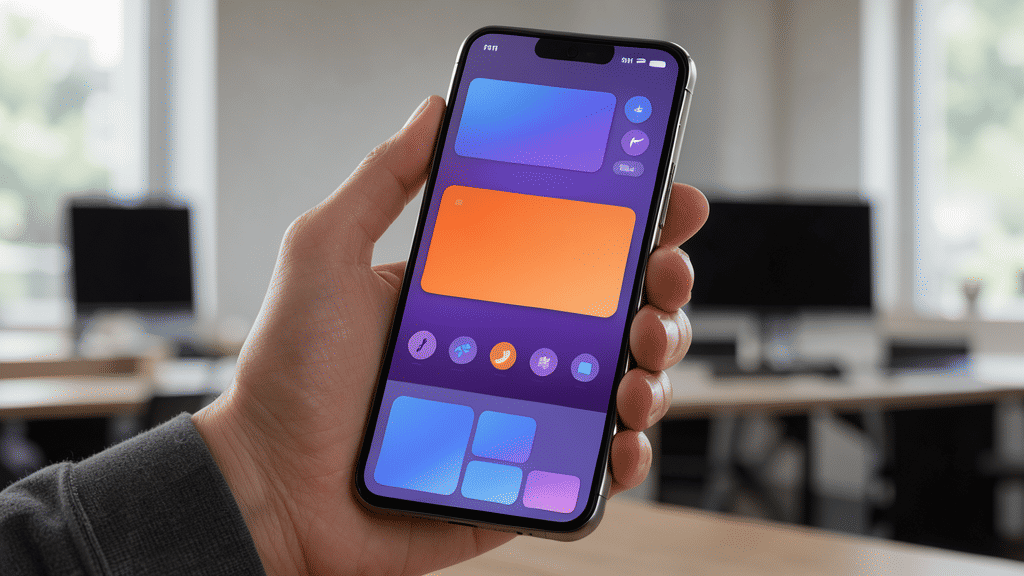
In today’s fast-paced digital landscape, the design of an application plays a pivotal role in determining its success. Consumers are not just looking for functionality; they crave a seamless, engaging experience that is both intuitive and visually appealing. This is where custom app design comes into the picture, offering solutions specifically tailored to maximize user engagement through uniquely crafted interfaces.
Custom app design starts with a deep understanding of the target audience. It’s not enough to simply build an app; designers need to get into the minds of potential users to understand their needs, habits, and preferences. This user-centered approach ensures that every design element serves a purpose and enhances the overall user experience (UX). By focusing on personalized design elements, businesses can significantly increase engagement and retain users over longer periods.
One of the cornerstones of effective custom app design is creating an intuitive interface. Intuitiveness comes from predicting what the user wants and making it easy to achieve, often before the user even realizes it themselves. This involves a careful balance of visual aesthetics, functionality, and navigation. For instance, a clean layout that highlights key functions helps users find what they’re looking for with minimal effort. Employing familiar icons and gestures also aligns with user expectations, making interaction effortless and enjoyable.
In addition to aesthetics and usability, the adaptability of an app’s design is crucial. A well-designed app should offer consistency across different devices and platforms while remaining flexible enough to incorporate unique features for each. This adaptability ensures that whether a user is on a smartphone, tablet, or desktop, their experience remains uniform and satisfactory.
Another key aspect is incorporating user feedback into the design process. Custom app design is never static; it evolves based on user interactions and feedback. Regularly updating the app to refine its functionality and address any shortcomings keeps the user experience fresh and engaging. This iterative process builds trust and satisfaction, leading to improved loyalty and user retention.
Moreover, personalized app design can also take into account the individual preferences of users by leveraging data analytics. Personalization features such as customizing themes, layouts, or content recommendations can make users feel valued and enhance the overall experience. Machine learning algorithms can assess user behavior to offer tailored suggestions, further increasing engagement by delivering content that aligns with the user’s interest.
In conclusion, custom app design is a powerful approach to boosting user engagement by providing bespoke interfaces tailored to the desires and needs of the audience. By focusing on intuitive design, incorporating user feedback, and ensuring adaptability across devices, businesses can create engaging apps that not only attract users but keep them coming back for more. As apps become more integral to our daily lives, investing in exceptional custom designs is not just an option; it’s a necessity for success in today’s digital age.