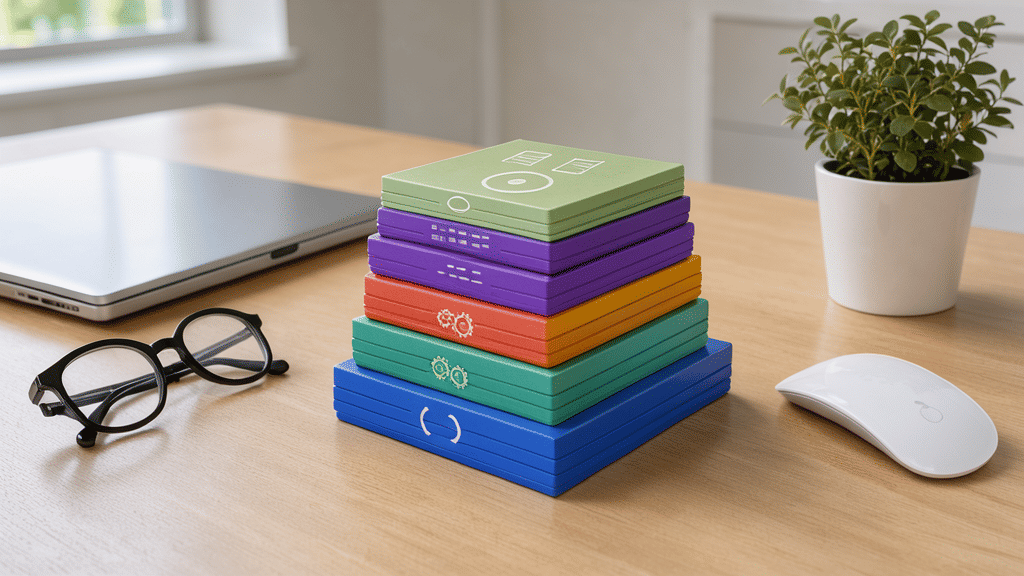
Choosing the right tech stack for app development is a pivotal decision that can significantly impact the success, scalability, and future-proofing of your application. As you embark on this journey, it's crucial to evaluate and select the best tools and technologies that align with your project's requirements and your team's capabilities. Here's a comprehensive guide to help you make well-informed decisions.
Understanding a Tech Stack
A technology stack refers to a combination of programming languages, frameworks, libraries, and tools used in the development of a software application. Tech stacks are typically divided into two main components: front-end (client-side) and back-end (server-side).
The front-end is what users interact with directly. It dictates the look, feel, and overall user experience and is generally built using technologies like HTML, CSS, and JavaScript, along with frameworks such as React, Angular, or Vue.js.
The back-end is where the application’s core logic resides. It manages database interactions, user authentication, server-side operations, and more. Commonly used back-end languages include Python, Ruby, Java, Node.js, and PHP, often coupled with frameworks like Django, Ruby on Rails, Spring Boot, Express.js, or Laravel.
Key Considerations when Choosing a Tech Stack
-
Project Requirements
Understanding the scope and requirements of your project is the first step. Determine the platform your app will be developed for (iOS, Android, web, or cross-platform). Define necessary features, performance goals, security needs, and any third-party service integrations. For example, a content-heavy app may benefit from a robust CMS, while a real-time application may require efficient database and API management.
-
Team Expertise
Evaluate the skills and experience of your development team. Opting for technologies that your team is familiar with can streamline development processes and reduce learning curves. Training a team on a new and unfamiliar technology stack could increase both time and cost.
-
Scalability and Performance
Choose a tech stack that can scale to support future growth. Consider technologies known for high scalability and performance, especially if you anticipate growing user numbers or increased data processing requirements. This will ensure that your app remains responsive and efficient long after its initial release.
-
Community and Support
Technologies with robust community support and extensive documentation are invaluable. Such communities provide plugins, tools, and solutions to common problems, reducing development time and debugging effort. Assess the tech stack’s popularity, maturity, and active updates.
-
Cost and Resources
Budget constraints can influence tech stack decisions. Some technologies require licensing fees, while others are open-source. Additionally, hosting costs and development tool expenses should be factored into your budget. Analyzing cost-effectiveness while weighing against potential benefits is crucial.
-
Time to Market
Some tech stacks enable quicker development and easier iterations. If a rapid time to market is pivotal, prioritizing frameworks and tools known for accelerated development cycles can be advantageous.
-
Security
A secure tech stack is non-negotiable. Evaluate the security features and vulnerabilities associated with your chosen technologies. Opt for a stack with proven security measures and support for compliance with required data protection standards.
-
Compatibility and Maintenance
Ensure that the tech stack is compatible with existing systems and facilitates easier maintenance and updates. A maintainable codebase is key to deploying updates, adding new features, and optimizing existing functionality efficiently.
Conclusion
Selecting the right tech stack is not merely about choosing the latest tools, but about making deliberate choices based on your project’s goals, team capabilities, and future outlook. By balancing project requirements, technical feasibility, and strategic foresight, you can craft an app that not only meets current user demands but is also poised for future success. Each decision in your tech stack selection lays the foundation for your app’s robustness, adaptability, and growth potential.